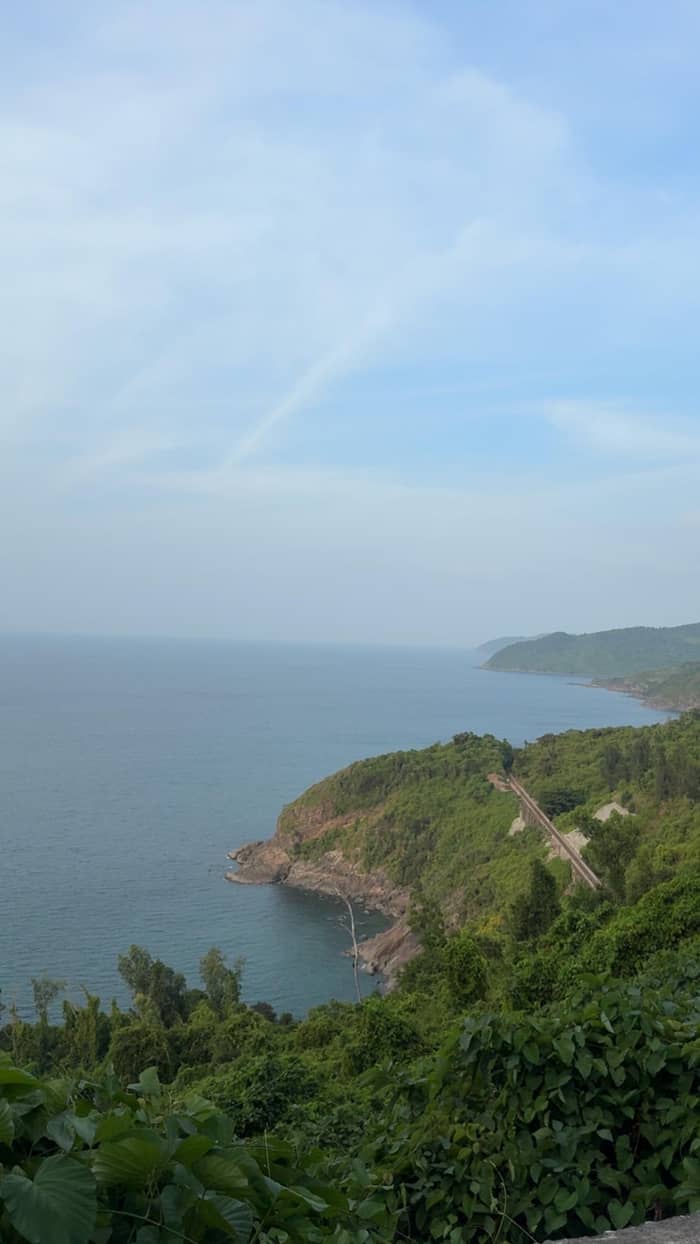
Clear views
Dry and bright
March to August
See the rideGuides
Language
Currency
See availabilityfrom $49 · cancelling is freePick-for-me guide
Easy rider ride over Hai Van Pass
★ 5.0 · 955 reviews total
Two questions, one date
Tell us when you can go and what you want most, and a ride appears with its starting price.
The one for you
from $49
A private-group ride of 8 hours with pickup included and a suggested start around 8:00 to 9:00 AM.
The one for you
from $49
12.5 hours with the train across the pass; if the tour is cancelled for poor weather a different date or a full refund is offered.
The one for you
from $55
A 6 to 8 hour ride from Hoi An or Da Nang to Hue with a live English guide; the listing says weather may affect the schedule.
The one for you
from $20
A car from Hue to Hoi An via the pass with flexible stops, rated 4.97 from 580 reviews.
What the city portal and the national tourism authority say about the dry and wet months on both sides of the pass, how the summit weather changes, and what to do when rain arrives.
Editorial team, haivanpasseasyrider.quest · Updated November 16, 2026 · Takes 7 min
Basics
The city tourism portal says the pass can be visited all year but is best in the dry season, March to August, when the weather is stable and visibility is clear.1 Its rainy season, September to December, can leave the road slippery and foggy.3 That is the answer to hold on to if you are planning a Hai Van Pass tour from Hoi An and have a window to pick.
The national tourism authority gives a slightly different shape. On its Da Nang page it names March to May and September to October as warm, sunny months that suit the beach and the Hai Van Pass, and it places a rainy season of long showers and moody weather between November and February.2,6 Another of its pages says March to May offers the best weather countrywide.7 The two sources agree on spring and disagree on how the autumn is split.
When two official pages disagree, the sensible reading is to plan for the part they share. Spring is good by both accounts, and so are the early summer months by the portal's. The shoulder months of September and October carry more risk, since the portal says showers begin to appear more frequently from mid-September and the authority's Hue page warns of heavy rain and typhoons between September and November.8,5
Season by season
| Months | Da Nang and Hoi An | Hue |
|---|---|---|
| March to May | Warm, sunny days, ideal for the pass2 | Best months run February to April5 |
| June to August | Dry; peak days 33 to 36 degrees C22 | July highs of 35 degrees27 |
| September to October | Showers more frequent from mid-September8 | Heavy rain and typhoons can hit5 |
| November to December | Most of the annual rainfall falls in these months24 | Wet season to December29 |
| January to February | Hoi An coldest in January20 | Down to 15 degrees; January mist28 |
Months and figures are those of the Da Nang tourism portal and of vietnam.travel, shown side by side because they do not agree on every month.2,1
Da Nang sits in the tropical monsoon zone: the yearly mean is about 25 to 26 degrees C, and humidity hovers at 83 to 84 percent on average.12,13 The portal sees two seasons only, a dry and a rainy one.14 Another page of the portal places the dry season from around March to August and the rainy season from approximately September to December.15,16 Hoi An sits on the same coast and shares the pattern.
The tourism authority's Hoi An listing is more specific: September to January is listed as rainy, cool and cloudy, with February to August described as warm and often hot, sunny and clear.17 It adds that tropical storms hit Central Vietnam hard starting in September, that Hoi An gets heavy rain from September to November, with some minor flooding and that the temperature reaches its coldest point in January.18,19,20
Summer is hot. In the lowlands, the portal puts summer temperatures at 28 to 30 degrees C, with daytime peaks above 35 degrees C and sometimes close to 40 degrees C, and it adds that a June or July day commonly runs 33 to 36 degrees C.21,22 That heat is the reason to start early. By contrast, lowland winters average 20 to 24 degrees C and can drop close to 12 degrees C in strong monsoon spells.23 The same portal says October, November and December bring most of the annual rainfall, with rainy-season temperatures of about 24 to 28 degrees C by day and 18 to 22 degrees C at night.24,25 Evenings late in the year can be chilly, and it advises a light jacket.26
Temperatures
These bars are not a station record: each is a figure that the city portal quotes for Da Nang or the tourism authority quotes for Hue.12,21,22,27,25,28,23
A one-way ride ends in Hue, or begins there, and the weather over the pass is not the weather at the other end. The tourism authority's Hue page describes a tropical monsoon climate, with dry summers that run hot and a wet season from September to December, and names February to April as the best time, with mild, dry weather.29,5 On a Hue to Hoi An run, check both forecasts.
Its weather guide adds detail for the city. Hue has a late rainy season, with storms and wet, cool days from September to February, with flooding possible from September to November.34,35 In the first months of the year Hue temperatures fall to 15 degrees and January is often misty, while in July highs reach 35 degrees.28,27 The list form of the same guide gives September to February as cool to cold, rainy and cloudy, and March to August as warm to hot and sunny.36
Put the two coasts together and the pass sits between two climates that share the same wet months. Hue's wet season starts in September, and the Da Nang side's does as well, so a rider coming north does not escape the rain by changing sides. A Hue to Hoi An Hai Van Pass tour faces the same September to December window as one going the other way, and the best weeks are in spring in either direction.
Moods
Clear views
March to August
See the ride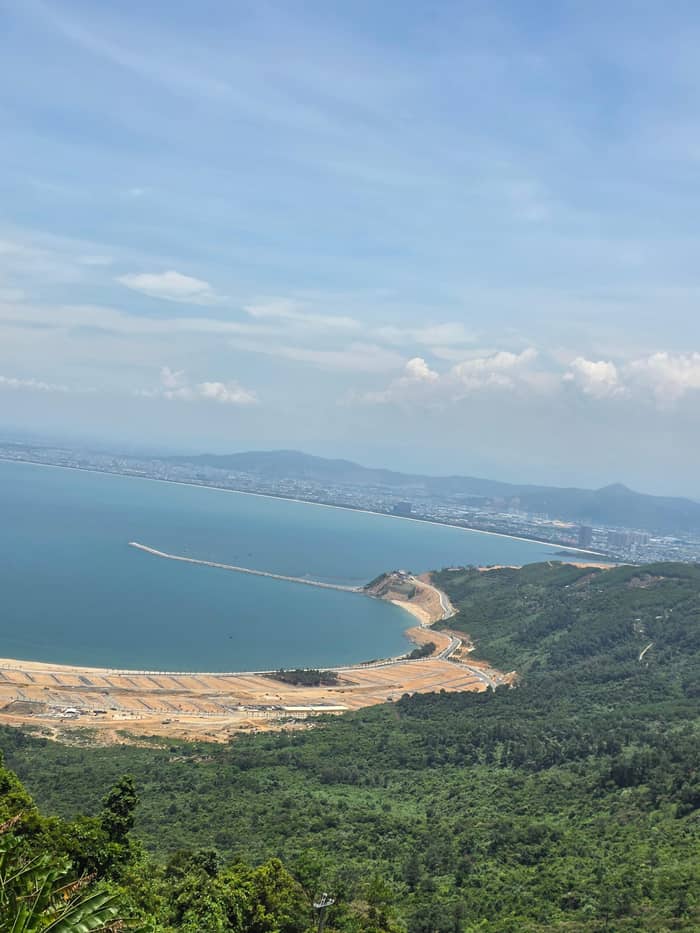
Cloud and fog
September to December
See the ride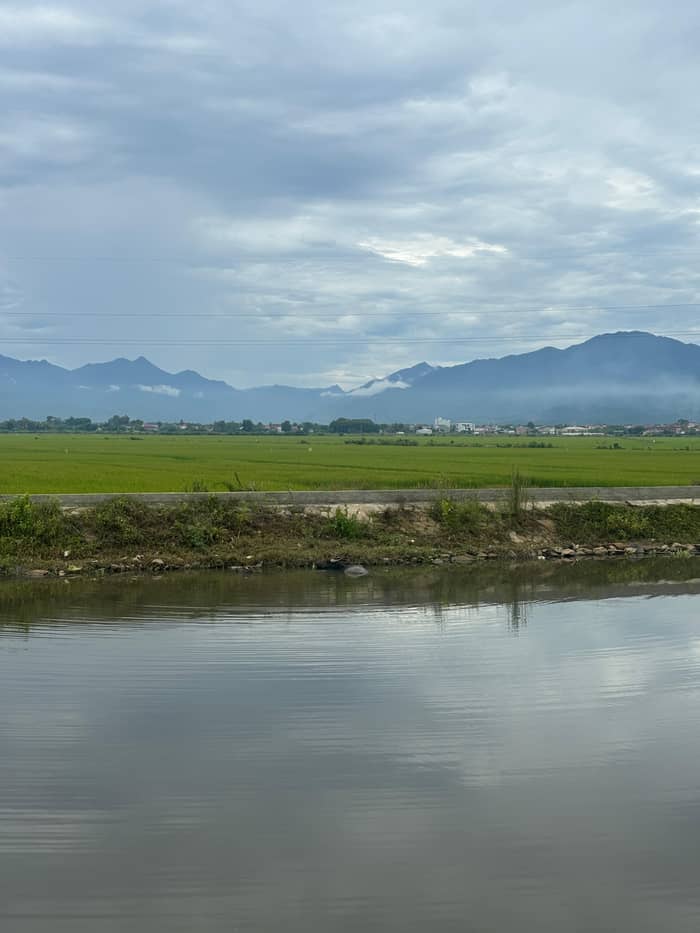
Cooler
Late in the year
See the rideThe pass is named for cloud. Hai Van means Sea of Clouds, from the frequent fog and clouds that cover the summit while the East Sea lies below.38 The older portal page describes weather at the summit that changes dramatically through the day, with characteristics of all four seasons.33 So a clear morning in Hoi An promises little about the top, and a cloudy start can open into a view by the time you climb.
Fog is what the portal worries about for riders. It advises avoiding travel at night or in thick fog, and says the road is winding and steep.11 It also advises checking the forecast and avoiding travel during storms.32 The tourism authority writes that the jungle-topped mountains even influence the weather, which is the same fact seen from the other side: the pass makes its own conditions.39
A good view is therefore a matter of luck as well as season. The portal says that on clear days visitors at the summit can see Da Nang Bay, Son Tra and the Cham Islands to the south and Lang Co Bay to the north.40,41 Give the pass a half hour of patience at the top, ask your rider to wait out a passing cloud and, if the day is hopeless, spend the time at the beach and lagoon that sit lower down.
A good day
Dawn start
Leaving at 6 to 7 AM gives a fresh sunrise view.4
Mid-morning
Bring a light jacket for the cool, breezy top.9
Midday
Midday in summer is best avoided for the heat.10
Late afternoon
A 3 to 4 PM ride allows sunset before dusk.4
After dark
Avoid riding at night.11
The portal places Da Nang in a Pacific zone prone to tropical depressions, with East Sea storms now and then late in the year.42 Those are the days to treat the pass as closed to you, even when the road is open. The portal's own advice is to avoid travel during storms and to check forecasts before and during the trip.32,37
Listings give the operator's side. One easy rider listing says weather may affect the schedule and offers free cancellation up to 24 hours in advance. A day trip that crosses the pass by train says that if the tour is cancelled for poor weather, guests are offered a different date or a full refund, and it takes place rain or shine otherwise. The site tour carries the same 24-hour cancellation window and is reserve now, pay later.
The jeep and the car are other ways over the same pass. A private US Army jeep tour of 4 hours starts from $113 and goes from Da Nang or Hoi An, so a Hai Van Pass jeep tour from Hue to Hoi An is not among the listings read for this page. A car booked for the road from Hue to Hoi An starts from $20 and gives cover from rain. The mixed day for a bad forecast is the train to Hue or the car, not the motorbike.
Video
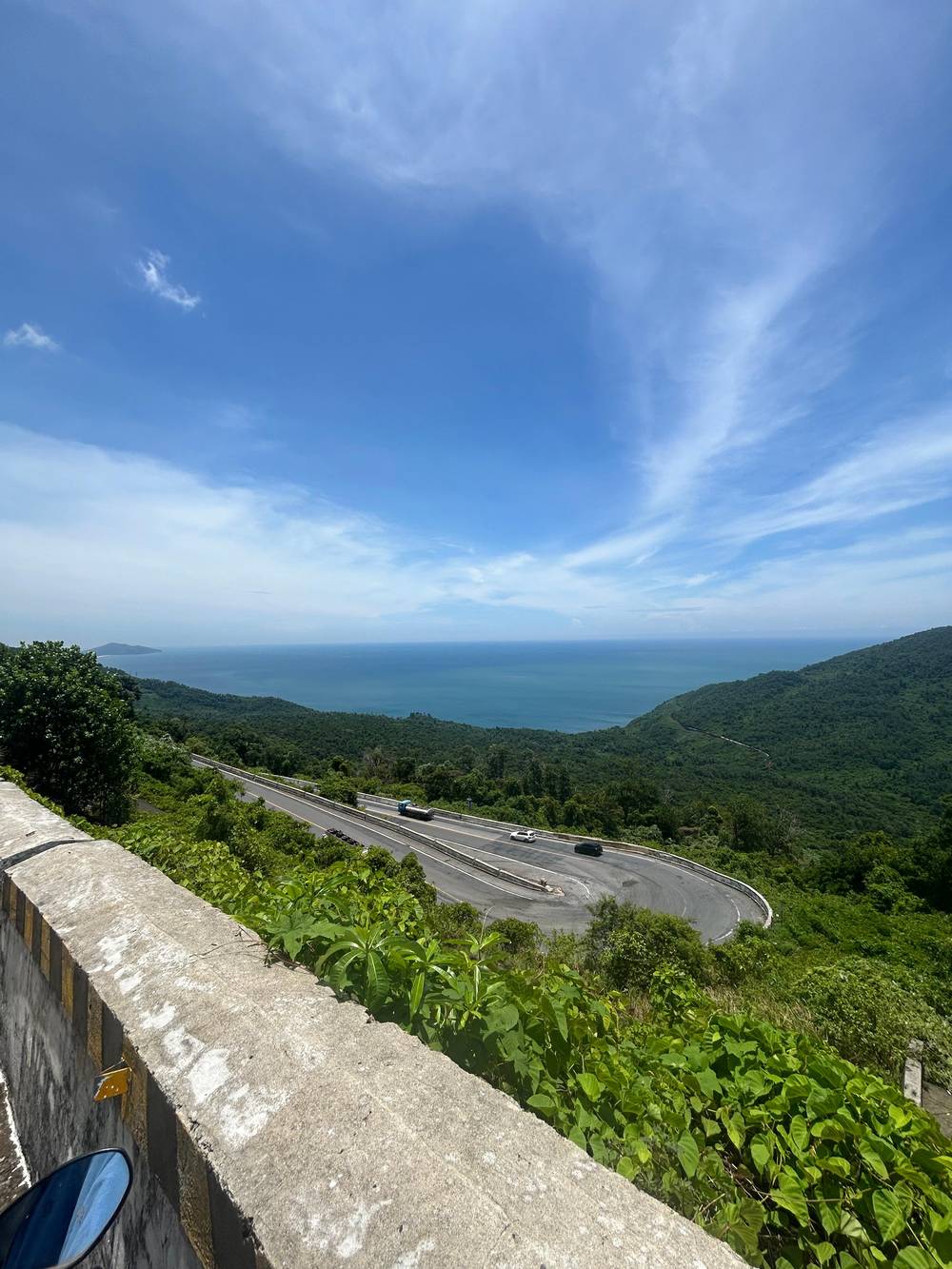
JP Travelz on YouTube · Until you tap play, no video is loaded.
At the summit, the weather undergoes dramatic changes throughout the day, showcasing characteristics of all four seasons
Weather checks
If the forecast is poor, move the ride rather than force it. The portal says sunshine often shows up between short showers on many rainy-season days and that early-season rain lasts only 1 to 2 hours, so a flexible start can catch a dry window.43,8 The same page recommends cafes, art spaces, museums and local restaurants for the cooler, wetter weeks.44 Free cancellation up to 24 hours ahead makes a move cheap.
On a good day, the hours matter more than the month. The portal's ideal times are early morning or late afternoon: a 6 to 7 AM departure for a fresh sunrise view, or a 3 to 4 PM ride for sunset before returning at dusk, and it warns against the midday heat of summer.4,10 The site tour itself starts best about 8:00 to 9:00 AM, so ask whether an earlier pickup is possible in the hot months.
Pack for the month you pick. A light jacket suits the cool summit, especially at dawn, hats, sunglasses and sunscreen suit the dry season, and an umbrella or light raincoat suits the rainy one.9,30,31 And if Hue is the other end of your trip, treat its February to April weather as the best the city offers for the imperial monuments, which sit on the far side of the pass from this guide.5
FAQ
A light jacket suits the summit, which the portal calls cool and breezy, mostly at dawn.9
The portal says storms from the East Sea occasionally arrive toward the end of the year.42
A Da Nang to Hue day trip offers a different date or a full refund for poor weather.
The portal names 6 to 7 AM and 3 to 4 PM.4
Sources
Planning the Hai Van Pass by motorbike? Ask a real person here.